Why Facebook Publishing Should Be Part of Your AutoAds Advertising Strategy
Automotive advertising is a high-consideration environment. Whether you’re selling vehicles, promoting dealer services, marketing finance and insurance products, or growing an aftermarket brand, your customer rarely converts after one touchpoint. They compare options, seek validation, and return multiple times before taking action.
That is exactly where Facebook publishing becomes a strategic advantage.
Facebook is not just an ad platform—it is a discovery engine and a social proof layer. It is where automotive audiences encounter new brands, see announcements shared by trusted pages, engage with content in-feed, and take frictionless actions (click, message, call, lead form) without leaving the platform. When used properly, Facebook publishing extends the value of your content and strengthens the overall performance of your paid and organic marketing.
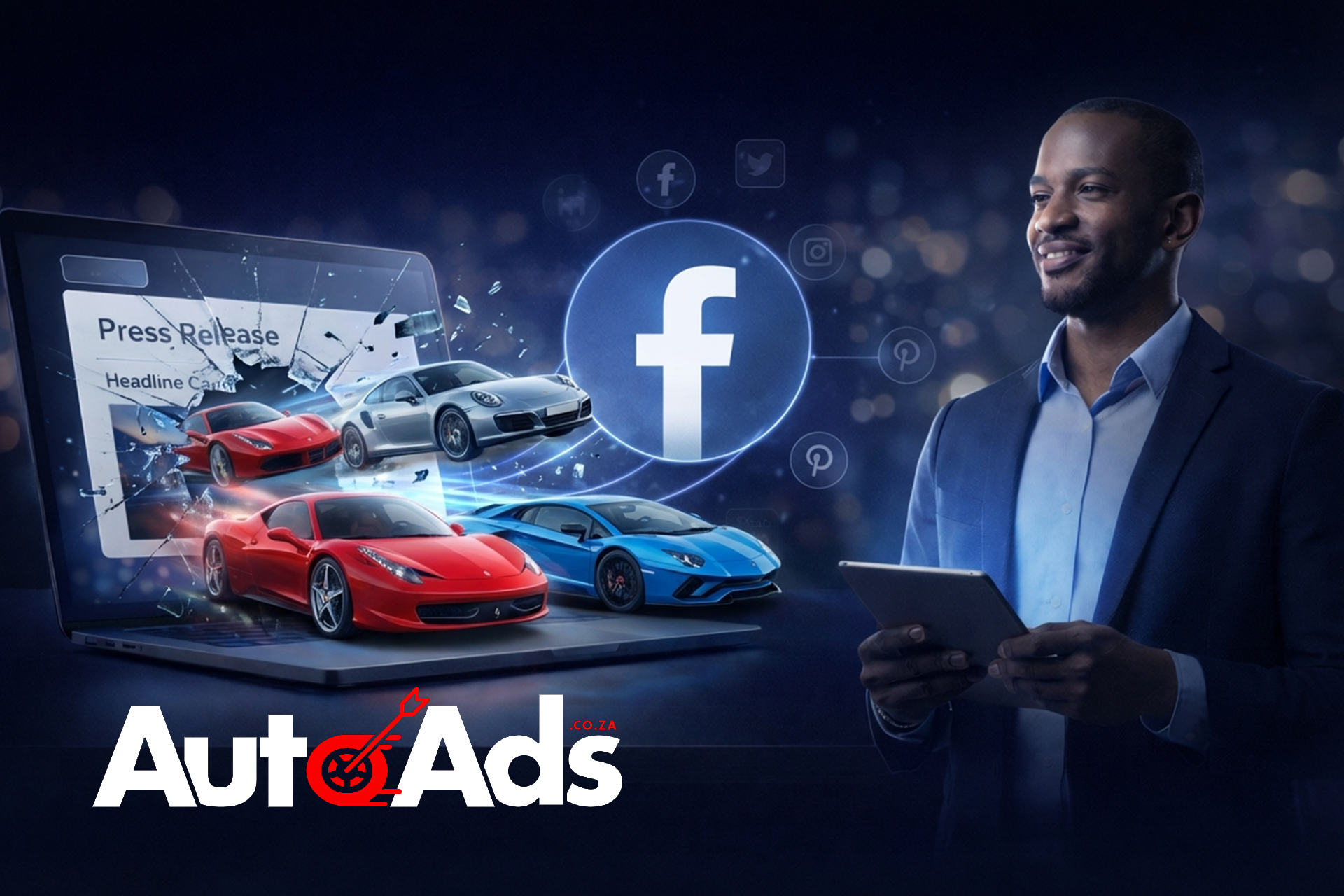
Within the AutoAds ecosystem—where press releases and custom editorial content can be published across reputable automotive sites—Facebook publishing helps convert a single article into a multi-touch asset that reaches more people, faster, and with higher credibility.
What “Facebook publishing” means in an AutoAds context
Most advertisers think of Facebook only in terms of paid ads. Facebook publishing is broader than that. In practice, it means:
Publishing your announcement or custom content on a credible automotive publisher site (via AutoAds press release submissions and/or custom content services).
Sharing that content on Facebook through relevant pages (for example, publisher Facebook pages and/or your own brand page).
Using engagement and traffic signals from the Facebook post to drive additional outcomes: retargeting, lead generation, enquiries, and improved conversion performance.
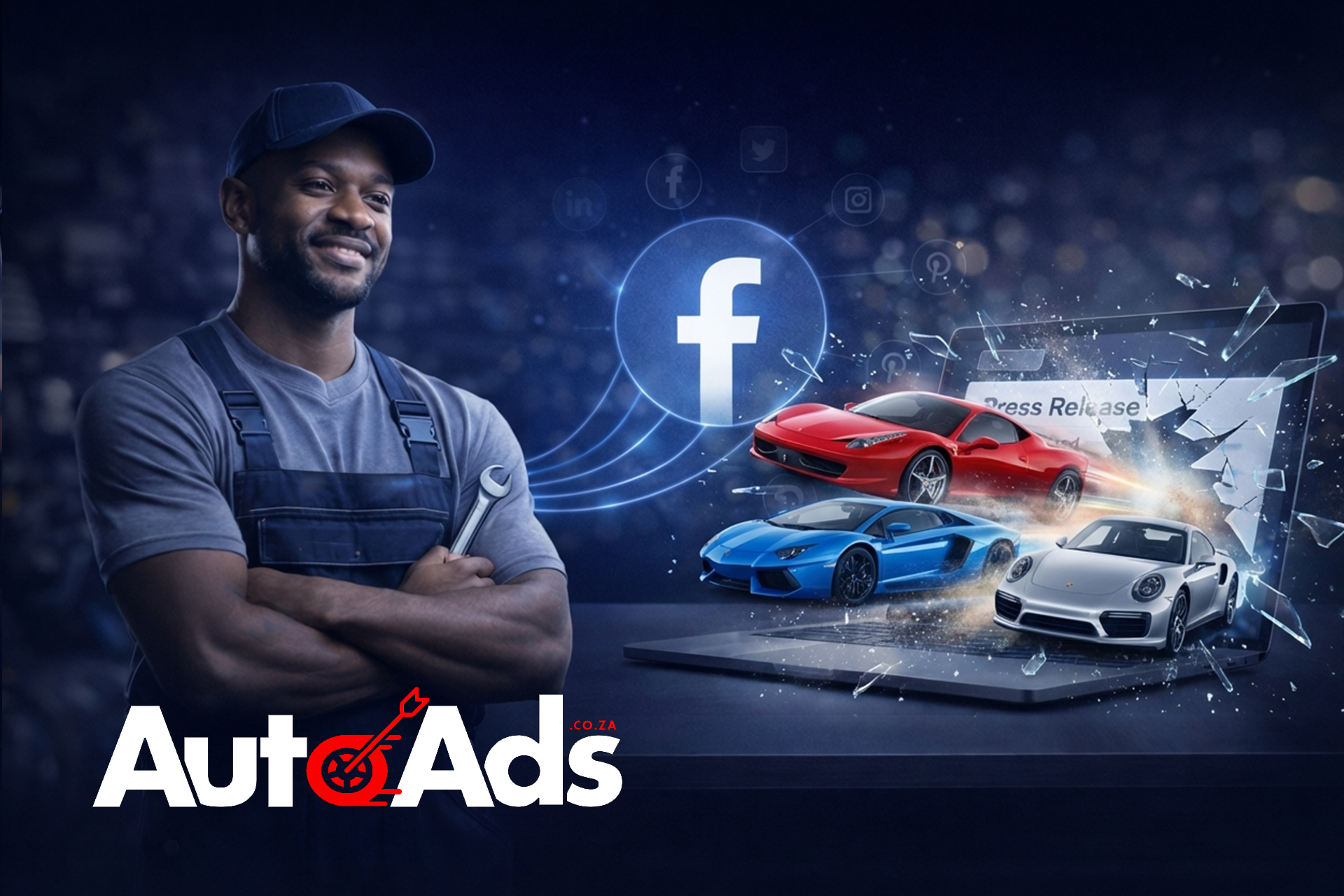
The key shift is this: your press release is no longer “a webpage.” It becomes a social-native distribution asset—discoverable where audiences already spend attention.
Why Facebook publishing works for automotive advertisers
1) Facebook is built for discovery, not just intent
Search captures existing intent. Facebook creates new intent.
Automotive brands often rely heavily on search and classifieds-style environments because people are “already looking.” Facebook publishing helps you reach people earlier in the journey—before they’ve decided what to search for—while they’re still open to persuasion.
This is particularly valuable for:
new model awareness
dealership brand building
service and maintenance campaigns
aftermarket products that people don’t actively search for until they see them
2) It adds social proof to your message
Automotive audiences trust what they can validate. A Facebook post that shows real engagement—reactions, comments, shares—acts as lightweight proof that the message is relevant.
When the post originates from (or is amplified by) an established automotive publishing environment, it also signals:
“This is industry-relevant.”
“This is credible enough to be covered.”
“This brand is active in the market.”
For agencies, this matters because it strengthens brand suitability and reduces the risk of placing automotive messaging next to unrelated or low-quality content environments.
3) It creates multiple touchpoints from one content investment
A press release or custom article has a cost—creative, approvals, messaging, production. Facebook publishing extends the ROI of that cost by giving you additional distribution without rewriting the asset from scratch.
Instead of one placement (the article), you get:
the article on a publisher site
a Facebook post that pushes it into feeds
secondary reach from shares and reshares
a retargeting audience for follow-up campaigns
In other words: one asset, multiple outcomes.
4) Facebook supports “high-intent actions” without friction
Facebook is unusually strong for direct actions that matter in automotive:
Messages (Messenger/WhatsApp routing depending on setup): ideal for enquiries and availability checks
Calls: strong for service bookings and dealership sales desks
Lead forms: useful for finance leads, test drive requests, brochure downloads
Clicks to landing pages: helpful when you have a structured conversion journey
Publishing your content to Facebook can be the top-of-funnel entry, while your call, message, or lead capture becomes the conversion step.
5) It performs in both B2C and B2B automotive categories
Facebook is often underestimated for B2B automotive advertising. In the AutoAds publisher context, Facebook publishing can support:
dealer services and SaaS tools (CRM, lead management, stock tools)
training and certification programs
bodyshop equipment and workshop tools
fleet-related services
finance and insurance offerings aimed at dealers or intermediaries
Decision-makers still scroll feeds. The difference is the content must be credible, contextual, and clearly written for the audience. Publisher-grade content helps you achieve that tone.
6) Facebook distribution improves paid efficiency when sequenced correctly
Facebook publishing supports a disciplined funnel:
Publish content (press release/custom article)
Share on Facebook (publisher pages and/or brand page)
Retarget engagers and clickers with a stronger offer (lead form, booking, quote request)
Convert with lower CPA and higher conversion rate compared to cold audiences
This structure reduces wasted spend because you’re not asking cold audiences to convert immediately. You are warming them first with credible content.
What automotive advertisers should publish on Facebook
Not all content is equal. Facebook performs best when the message is tangible and timely. Strong examples include:
Model launches and spec highlights (no hype, clear benefit statements)
Dealer offers framed with clarity (finance disclaimers and Ts&Cs where required)
Service campaigns (seasonal checks, tyre offers, warranties, maintenance plans)
Aftermarket products (demonstrations, before/after, practical outcomes)
Industry announcements (new branch, partnership, accreditation, award—without exaggeration)
Recruitment and training (bodyshops, dealerships, apprenticeships)
Event participation (motor shows, dealer events, community activations)
If your AutoAds content is written as “publisher-grade” editorial rather than a pure ad, the Facebook post feels more natural and typically earns better engagement.
Best-practice Facebook publishing playbook for AutoAds advertisers
Step 1: Use content that reads like news, not an ad
Even if the goal is commercial, the framing should be informational:
“What’s new”
“What’s changed”
“Why it matters”
“What to do next”
This aligns with how publisher content is consumed—and it performs better in-feed.
Step 2: Make the Facebook post visually decisive
Use:
one strong hero image (vehicle, showroom, workshop, product)
or a short video loop (5–15 seconds)
or a simple carousel (feature → benefit → CTA)
Avoid busy images with too much text. Let the headline do the work.
Step 3: Include a single clear CTA
Choose one:
Enquire now
Book a service
Request a quote
Read the full story
View availability
Multiple CTAs split attention and reduce conversion rate.
Step 4: Instrument properly for measurement
To ensure Facebook publishing is accountable, use:
UTM parameters on links (so you can attribute traffic and leads)
a clean landing page (mobile-first, fast loading, clear CTA)
conversion tracking where possible (lead submits, calls, bookings)
Even when the goal is awareness, you should still track clicks and downstream actions.
Step 5: Retarget what matters
If you run paid activity after publishing, retarget:
people who engaged with the post
people who clicked to the article
video viewers (if video was used)
Then serve a conversion-focused message (lead form, booking, promo).
Common mistakes to avoid
Posting the same generic message repeatedly without a news angle
Treating Facebook as “just another link drop”
Publishing without a follow-up retargeting plan
Using cluttered creatives or unreadable text overlays
Driving traffic to a landing page that doesn’t match the post’s promise
Not aligning compliance for finance/offer claims and Ts&Cs where relevant
Why this matters specifically for AutoAds advertisers
AutoAds is built around reputable automotive publishing. Facebook publishing amplifies that value by turning one piece of content into a broader distribution asset—helping advertisers capture attention, build credibility, and increase conversion efficiency through sequencing.
If your competitors rely only on ads, you can differentiate by pairing paid activity with credible publishing and Facebook distribution. If your competitors rely only on publishing, you can outperform by using Facebook to scale reach and drive measurable actions.